Receive messages from Wai Lana, lifestyle tips, recipes, and exclusive new releases!

2
Eat Well
Nutrition is vital during pregnancy. Your body will send nutrients to your baby first, so it's important you eat enough and choose nutrient-rich foods that promote health. A vegetarian yoga diet is ideal. The fiber provided in fruits and vegetables will help prevent constipation, common during pregnancy.
Foods and nutrients to include
Vegetables and fruits, beans, tofu, whole grains, and nuts and seeds provide good sources of fiber and protein. Soaking nuts overnight makes them more digestible.
Unsaturated (good) fats are needed for building your baby's tissue, including the eyes and brain. Good sources include avocados, seeds, nuts, nut butters, and olive oil.
Complex carbohydrates provide energy during pregnancy. Include whole wheat bread, brown, black or red rice, and beans.
Nutrients such as calcium, iodine, iron, and folic acid are essential during pregnancy. Please see the recommendations in Trimester 1.
Foods to avoid or reduce
Saturated and trans fats: These are found in fatty meat, junk food, and high-fat desserts.
Simple carbohydrates: White bread, white rice, cakes, and sweets contain carbs that break down quickly into sugar in the body. It is especially important to cut back if you develop gestational diabetes, to help keep blood sugar under control.
Raw or uncooked foods, such as soft cheeses, sushi, and salad bar dishes, may contain harmful bacteria.
Herbs and herbal teas: Some herbal supplements and teas may pose risks during pregnancy as certain herbs can trigger contractions or have other harmful effects. If you're unsure, it's important to consult a healthcare professional before use.
Other foods to avoid or reduce: Carbonated drinks, coffee, meat, eggs, and some processed cheeses, which can cause calcium deficiency.
Take time out from your day to rest, relax, and meditate. This will help you approach the changes in your body and your life with calm and equanimity, benefiting both you and your baby.
Rest in the Yoga Sound
Listen to the soothing Yoga Sound audio tracks at any time of the day to help instill a sense of peace within.
Self-massage with lavender oil
Throughout your pregnancy, gently massage your belly, back of your neck, shoulders, and wrists with a few drops of our Lavender + Jojoba Oil Blend.
Sleep is a time for rest and rejuvenation, important for your health and that of your baby. Try to retire early so you can get at least 8 hours of sleep. The first two stretches will help you release tension and wind down before bed. If you wake often through the night, listen to one of the guided meditations or Sleep Soundscapes to help you relax and fall back to sleep.
Get comfortable
As your baby gets bigger, try sleeping in the Flapping Fish position, with your top leg bent, resting on a cushion.
Sleep well
Follow our Sleep pain point for more tips and guidance to help you sleep soundly.
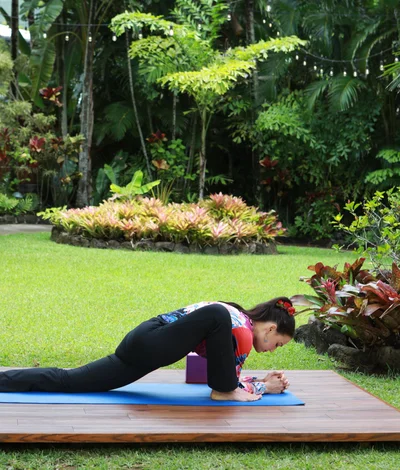
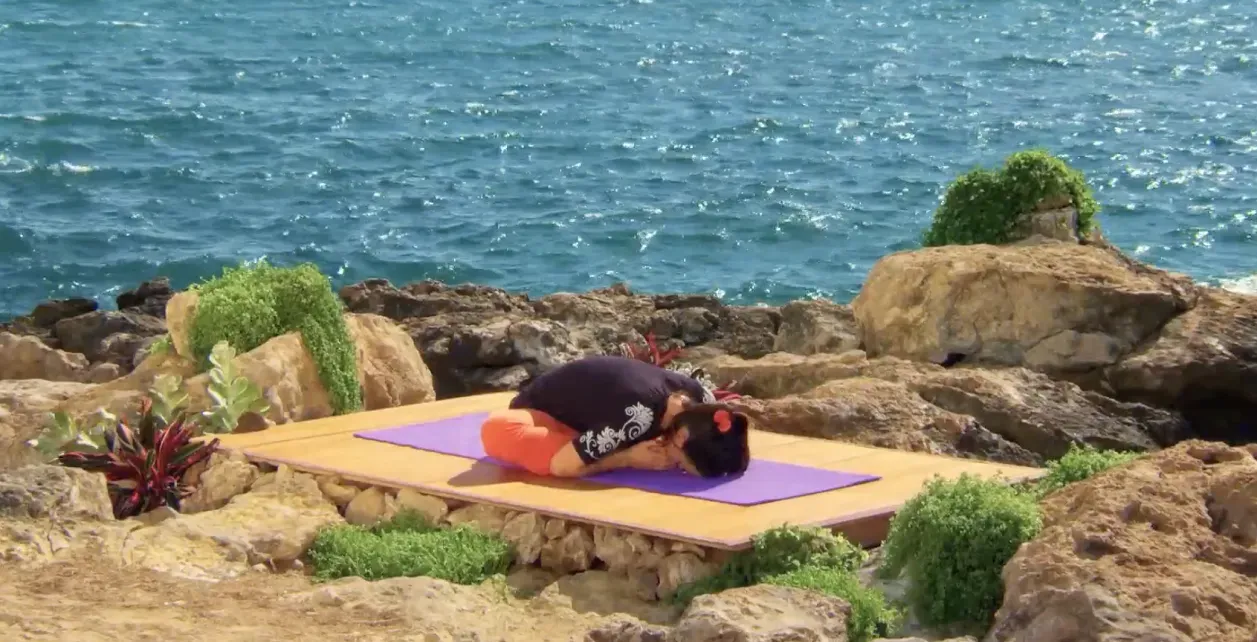
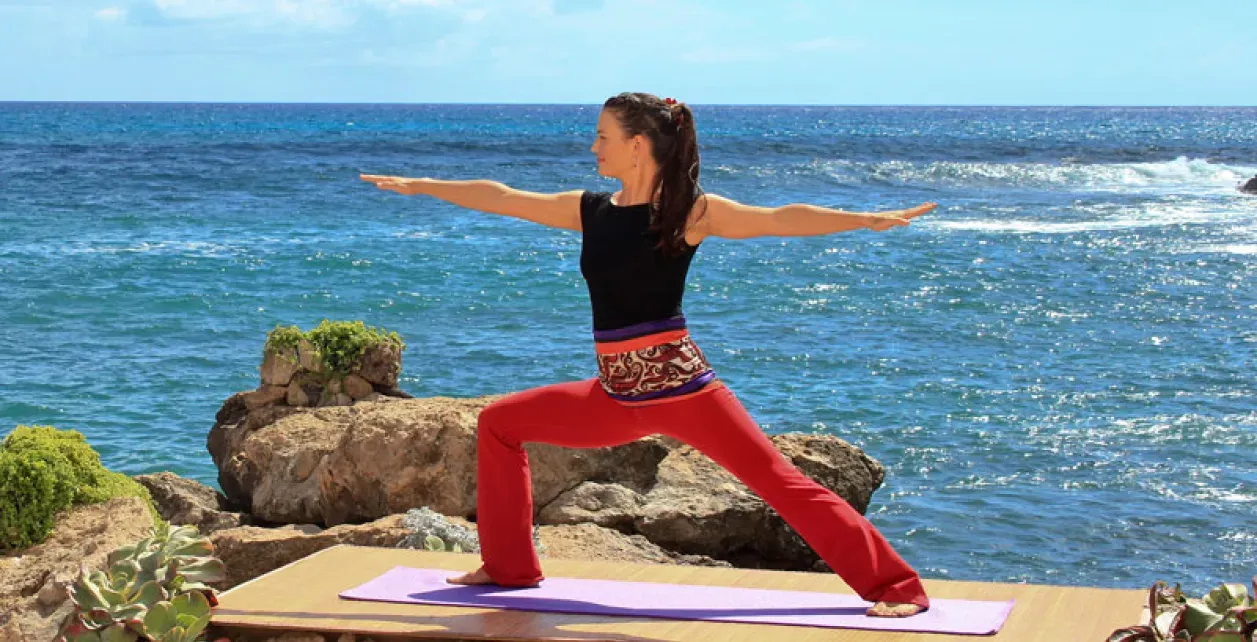
Once morning sickness has passed, usually by the second trimester, you may feel ready to do more exercise. These poses will open your hips, strengthen your legs and back, and prepare your body for the extra weight you’ll be carrying as your baby grows. They can also alleviate backache and constipation, both common during pregnancy.
Caution
Before you begin, please read Part 4 of our Safety Guidelines for important information on practicing asanas during pregnancy.
Practice tips
Take it slow: If you’re new to yoga asanas, just practice one or two techniques per day. Observe how you feel and gradually add more when it feels right.
Alternate days: You can do Trimester 2: Mobility & Strength one day, and the individual asanas the next day (as many as comfortable).
Prevent back pain: When doing the standing poses, or when standing in general, try to slightly and gently tuck your buttocks to prevent the lower back from overarching.
Yoga breathing is important: Continue to practice Abdominal Breathing and Complete Yoga Breathing from the first secret.